Wind-lifted roofing
Lifted tabs, creases and missing shingles can interrupt the roof’s water protection. The assessment checks the surrounding material and whether damaged sections can be reworked into a sound covering.
Storm damage is not always one obvious hole. Wind can lift and crease shingles; hail can damage the covering or exposed roof components; a branch can affect the deck below the surface. Each leaves a different repair question.
An inspection considers the visible damage and the condition around it. Some damage is local enough for a repair, while more extensive deterioration or impact can require a wider scope. A roof that is not dripping indoors can still need attention.
Tell Ten Mile what changed at the property and arrange a free inspection. If there are unstable areas, sagging ceilings or electrical hazards, keep people away and use the appropriate emergency help for an immediate threat.
Lifted tabs, creases and missing shingles can interrupt the roof’s water protection. The assessment checks the surrounding material and whether damaged sections can be reworked into a sound covering.
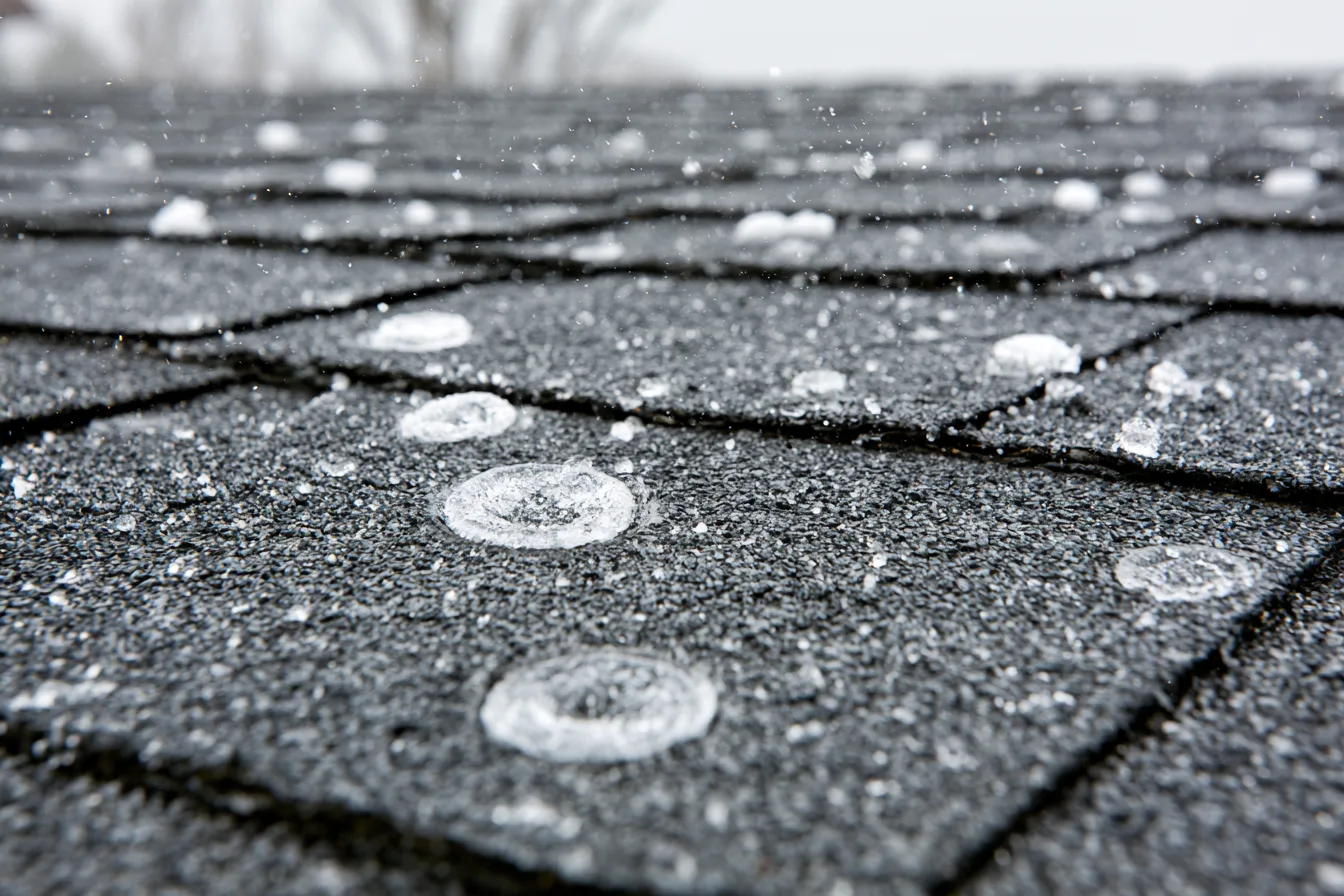
Impact can damage shingles and exposed components without producing an immediate indoor leak. The roof needs assessment at the property; hail size reported elsewhere doesn’t establish its condition.
An impact can affect flashing, covering and the deck beneath. The visible opening may not show the full area of damage, so the supporting structure can need further attention.
Wind and moving water can expose weaknesses around walls, vents and edges. The repair has to restore those drainage connections as well as any damaged covering.
The Lancaster storm archive keeps NOAA hail and thunderstorm-wind reports available by year. It can help place an event in time and show reported conditions in the surrounding area.
The reports describe recorded event locations. They do not map every affected property or inspect the roof at your address. Use them as weather context alongside the condition found on the building.
Open the Lancaster storm archiveKeep clear of unstable roofing and damaged ceiling areas. Explain any active water entry when requesting help. Access and weather affect the protection that can be arranged, so discuss the immediate condition and available next step.
The condition and extent of damage establish which layers and details need work. A temporary cover is not the complete repair specification.
The permanent scope, material choice and necessary approvals need to come together before construction. If insurance is involved, the insurer’s process is a separate part of that coordination.
The insurer explains reporting requirements, coverage, deductibles and any claim inspection. A storm nearby doesn’t automatically establish payment for the roof.
The roof assessment and the claim decision answer different questions. The proposal should identify the damage and work so any difference in scope can be understood.
Coverage, depreciation and the deductible affect what remains to be paid. Understand those terms and the proposed work before committing to the permanent project.
Yes. Damage to the covering can leave the indoor space dry initially. The absence of a drip doesn’t establish that the roof is undamaged.
No. The extent of damage and the condition of the surrounding roof determine the scope. A local repair and a complete replacement should each have a physical reason.
The insurer applies the policy to the reported loss. Coverage, cause, deductibles and settlement terms determine whether and how the roofing work is paid for.
The roof insurance guide explains the roles of coverage, depreciation and the deductible.
If the last storm changed the roof, start with the condition at your property. Request a free inspection through Ten Mile Roofing.
Call (972) 218-8600