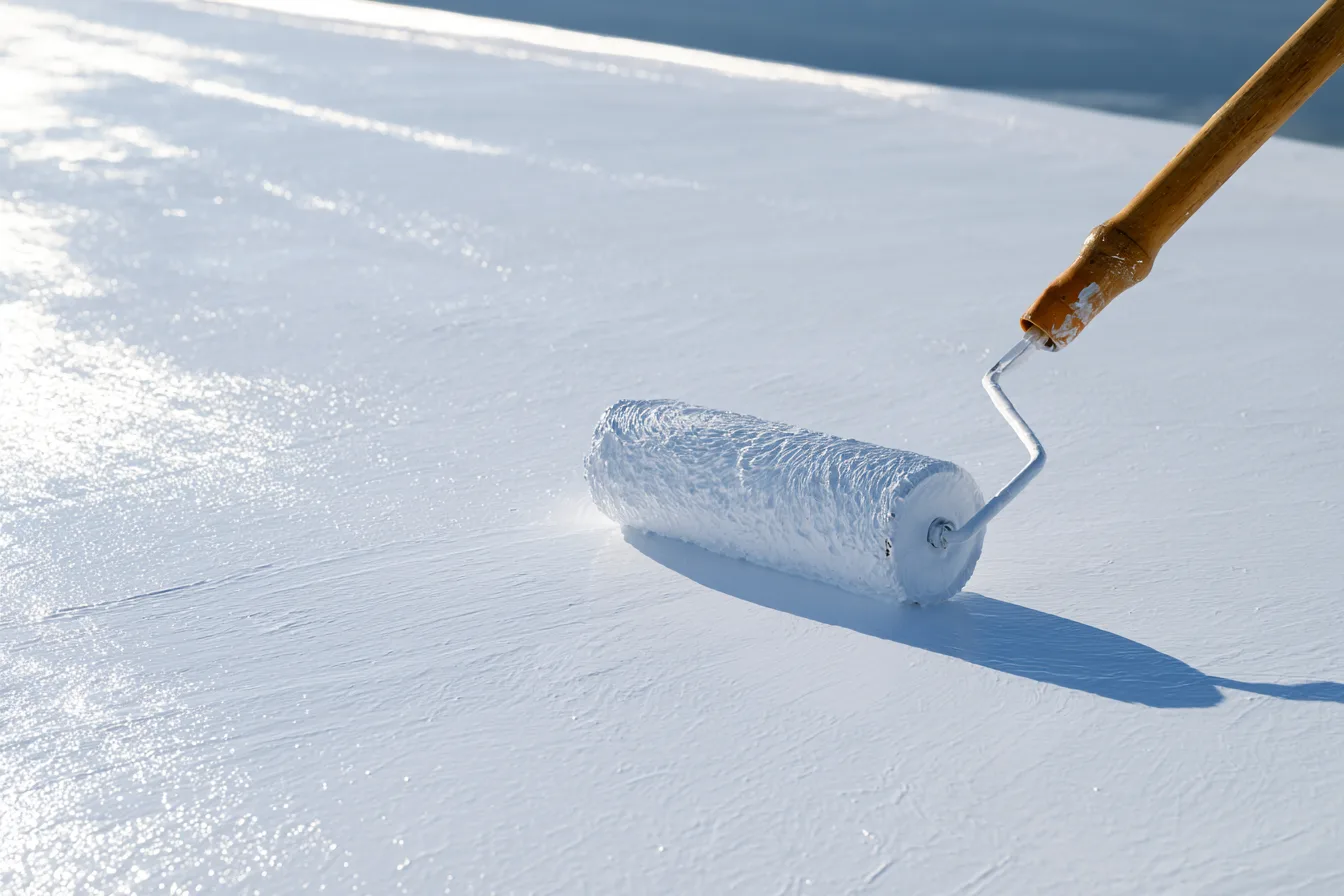
A suitable substrate
The existing material must be compatible with the specified restoration system. Surface condition and adhesion need assessment rather than an assumption based on appearance.
A coating project keeps much of the existing roof in service. That makes the condition of what remains the first question. The covering has to accept the coating, the layers below need to be suitable, and the roof still needs functioning drainage.
Preparation does much of the work people don’t see in the finished surface. Cleaning, compatible repairs, seam and penetration details, and any required primer come before field application. A coating placed over an unresolved defect preserves that defect beneath a new surface.
Ten Mile Roofing helps Lancaster building owners start with that assessment. Request a free inspection to discuss whether repair, restoration or replacement fits the roof you have.
The existing material must be compatible with the specified restoration system. Surface condition and adhesion need assessment rather than an assumption based on appearance.
Wet insulation or deteriorated supporting material needs attention. Coating the surface doesn’t dry those layers or restore their strength.
Open seams, damaged flashing and failed penetrations need compatible repairs. Field coating is only one part of restoring the roof.
The system’s requirements govern use around ponding areas and the conditions for application. Weather, preparation and curing need a suitable work window.
The coating system determines the preparation and application method. A qualified roof still needs its defects addressed before the broad surface is coated.
The manufacturer’s specified coverage, thickness, application conditions and detail requirements belong in the actual scope. A material category alone doesn’t define a complete restoration system.
Option 1
A local opening on a serviceable roof may need a focused repair. Coating the whole field isn’t automatically part of that job.
Option 2
Restoration can be considered when the existing assembly supports it. The work includes preparation and detail repairs as well as the new surface.
Option 3
Broad deterioration, wet layers or other unsuitable conditions can require removal and replacement. Keeping those layers to make a coating possible defeats the purpose.
Establish the substrate, condition and drainage, including any questions about moisture beneath the covering. Those findings guide the restoration decision.
Cleaning, repairs and required drying come before application. Access and weather need to allow those tasks to be completed properly.
Discuss nearby air intakes, access routes and equipment servicing as part of the chosen product and work plan. The building’s operations belong in the schedule.
No. A coating system needs a suitable base and completed detail repairs. A structural problem, wet layer or unsuitable drainage condition needs its own solution.
Neither category is universally right. The substrate, exposure, water conditions and manufacturer’s complete system requirements determine the selection.
No. Drains, flashing, equipment interfaces and the surface still need care appropriate to the system. Future rooftop work also needs to preserve the restored details.
Performance depends on the product system, preparation, application, exposure and maintenance. Review the actual proposed system and any written warranty terms; a general category doesn’t establish a service life.
Find out whether restoration fits your roof before investing in a new surface. Arrange a free commercial roof inspection through Ten Mile Roofing.
Call (972) 218-8600