When the covering is worn broadly
Shingles that break when handled across several slopes can leave little useful material for local repairs. Replacement renews the covering and gives the underlying details a complete assessment.
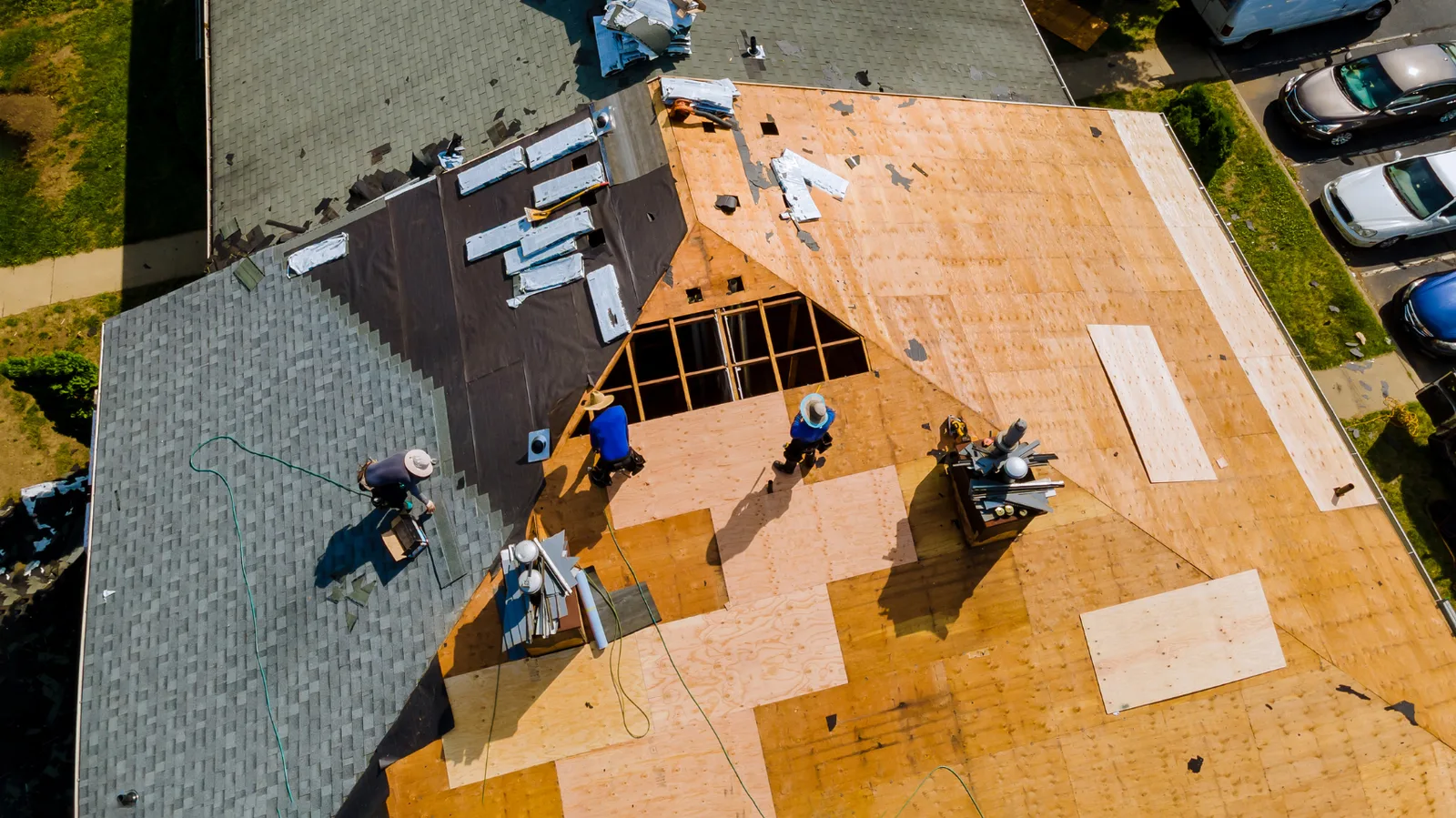
The visible change is a new roof. The work that makes it useful includes removing unsuitable material, restoring a sound deck and reconnecting the edges, flashing and ventilation details. Those parts deserve attention before a color becomes the main decision.
A replacement begins with the roof already on the property: its layers, slope, shape and condition. Tear-off can reveal decking or connections that were hidden during the initial visit, so the plan needs a clear way to address additional work.
Ten Mile Roofing helps Lancaster owners start with a free inspection. Bring your questions about the existing roof, the material choices and the way the project would take place around your home.
Shingles that break when handled across several slopes can leave little useful material for local repairs. Replacement renews the covering and gives the underlying details a complete assessment.
Repeated failures in different areas can point beyond one defective part. The inspection considers how far deterioration extends and whether a full scope fits better than another isolated repair.
A move from shingles to a metal system affects details, attachment and appearance. The chosen product has to suit the roof’s slope and assembly, with required approvals resolved.
A new shingle covering relies on the layers and connections below and around it. The drawing explains their relationship; the actual assembly follows the roof and selected products.
The deck carries the covering and its fasteners. Unsound sections need correction so the new roofing has a suitable base.
Protection beneath the shingles is selected for the slope, exposure and roofing details. Its laps and connections matter wherever water could reach below the covering.
Drip edges, valleys, walls and penetrations need a connected drainage path. New shingles alone do not renew a failed flashing joint.
The covering, starter, fastening and ridge treatment work as a specified system. Their installation follows the selected products and roof conditions.
A vented attic needs an effective intake and exhaust path. Adding an exhaust opening without suitable intake doesn’t create a balanced arrangement.
Shingles and underlayment cannot correct a soft or unsuitable deck. The fasteners need sound material, and the base needs to suit the selected roofing system. Removing the old covering makes that condition easier to assess.
A damaged section can be replaced without assuming every board or panel is bad. Gaps, thickness and attachment can matter as well as rot, so the reason for decking work needs to be explained for the roof being installed.
The proposal should describe how a discovery during removal changes the scope and price. That keeps an additional wood repair a decision you understand before the new covering hides it.
Use the roof cost guide for early budget context. It models selected regional ranges, not the price of every roof style.
Option 1
A laminated asphalt profile provides depth and a familiar residential appearance. Product selection includes its rating, compatible accessories and the full replacement scope.
Option 2
Panels join through raised seams, with attachment and movement details determined by the selected system. Roof shape, penetrations and transitions influence the project.
Option 3
A heavier or more pronounced asphalt profile can change the roof’s texture and appearance. Compare real samples and the actual product requirements, rather than treating the style name as a performance guarantee.
Measurements, existing layers and accessible conditions establish the scope. Any limits in what can be seen before removal should be explained.
Material delivery, removal and access to the building belong in the sequence. The project also needs the applicable permit and any address-specific exterior approvals.
The new covering goes onto the prepared assembly, with flashing, roof edges and the specified ventilation details included. Additional conditions found during removal need a clear decision.
No. Age is useful background, but the condition of the covering and underlying assembly determines the work. A younger roof can have a serious defect, and an older roof can still have a repairable local problem.
Only when the existing assembly, condition, product requirements and applicable rules support that approach. Wet or unsound layers should not be concealed beneath another covering.
Not automatically. Sound decking can remain when suitable for the new assembly. Damaged or unsuitable sections need correction, and the extent can become clearer after removal.
A designated property can have additional review of exterior material and appearance. Confirm the property and proposed work through the applicable city process.
The permit guide explains how that question connects with roofing approval.
Start the replacement conversation with the roof you have. Request a free inspection and discuss the covering, supporting details and practical scope for your Lancaster home.
Call (972) 218-8600