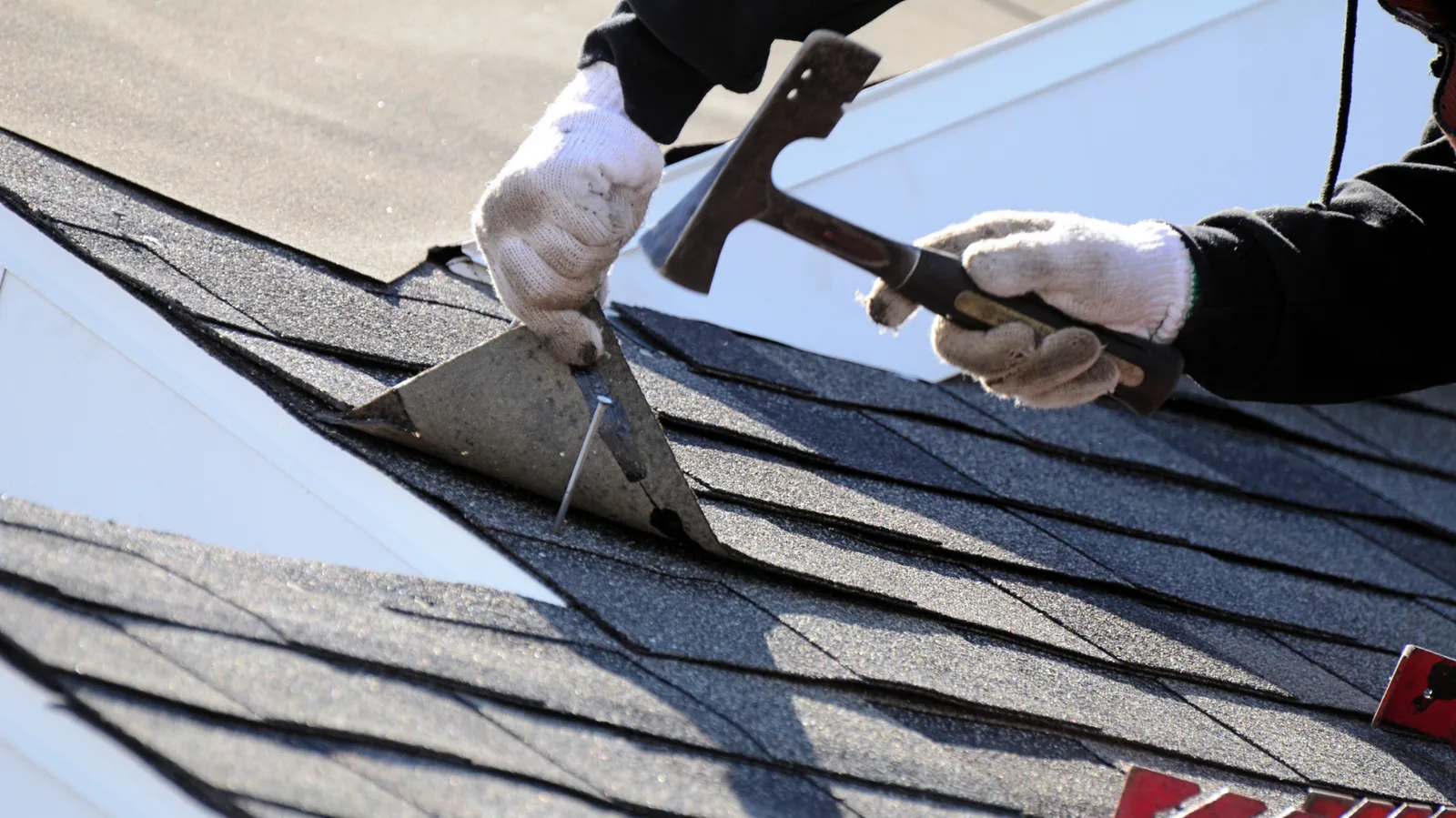
Shingles lifted or damaged by wind
A damaged section needs to reconnect with the surrounding courses. If neighboring shingles still lift without breaking, a local repair can be practical. Cracking beyond the damaged area can widen the scope.
A small roof part can create a large indoor problem. A plumbing-vent collar seals the opening around a pipe; when that seal splits, rain can follow the pipe below the roof. A flashing joint at a wall has a different job, directing water past the place where two surfaces meet.
Those parts need repairs that restore their particular connection. A bead of sealant doesn’t replace a missing overlap, and a new shingle cannot fasten properly to damaged decking. The inspection looks at the defect and the material needed to support the new work.
Ten Mile Roofing helps Lancaster owners begin with that assessment. Tell us about the leak or damage and arrange a free inspection, whether it is a new problem or something that has returned.
A damaged section needs to reconnect with the surrounding courses. If neighboring shingles still lift without breaking, a local repair can be practical. Cracking beyond the damaged area can widen the scope.
The flashing around a penetration has to seal at the pipe and shed water onto the roof below it. A repair considers both parts of that connection, rather than covering a split collar while leaving a loose flange.
Water needs a continuous path around the joint. Flashing laps, the wall surface and counterflashing work together; deterioration in one part can undermine an otherwise tidy-looking patch.
These areas collect or discharge water. The repair needs to restore the drainage layers and the covering around them, including suitable decking where deterioration has reached below the surface.
A second leak near an old patch does not by itself establish that the repair failed. Water can arrive at the same ceiling location from another opening, and an old stain can remain after the roof is dry. The condition above it has to be traced again.
The earlier work still gives the inspection useful evidence. A patch that only covered a seam may have left an overlap or wall connection unresolved. Repairing that connection can require opening a larger area than the visible defect so the new flashing reaches sound material.
Share when fresh moisture appears, which room is affected and any repair history you already know. You do not need to climb the roof or open the ceiling to make the request.
A roof replacement includes the complete covering and its supporting details when local repairs no longer fit.
Option 1
A localized opening with sound neighboring material can support a focused repair. The scope should identify the failing part and how the new work connects to the roof.
Option 2
Widespread brittleness, repeated failures across different areas or deteriorated decking can make a larger project appropriate. The extent of that condition determines whether a replacement belongs in the discussion.
The room affected, visible damage and any earlier work you know about give the inspection a starting point. You don’t need to climb the roof or locate the opening.
The roofer assesses the visible defect and the surrounding condition. Access and concealed layers can affect how much is known before work begins.
The repair scope should include the access needed and the affected area below. Materials, disposal and any additional work revealed during removal belong in the project discussion.
Yes, when that part can be connected to suitable surrounding material. The inspection checks the local defect and how far deterioration extends before deciding the useful repair area.
Water can follow a rafter, the deck or another roofing layer before it drips into the room. The stain shows where water arrived; the repair has to address where it entered.
An exact match is not always available. Product changes and weathering affect appearance. The material still needs to be compatible with the repair, with the visual difference explained before work.
That depends on the scope and the authority responsible for the address. A small repair and a full replacement should not automatically be treated as the same application.
The Lancaster roofing permit guide explains where the project requirements are confirmed.
Get the damaged detail or leak assessed before deciding how much roof work is needed. Tell Ten Mile where the property is and arrange a free inspection.
Call (972) 218-8600