Roofing shingles in Lancaster

Compare roofing shingles for a Lancaster home. Understand three-tab, architectural and designer profiles, then consider the rating and roof system behind the appearance.

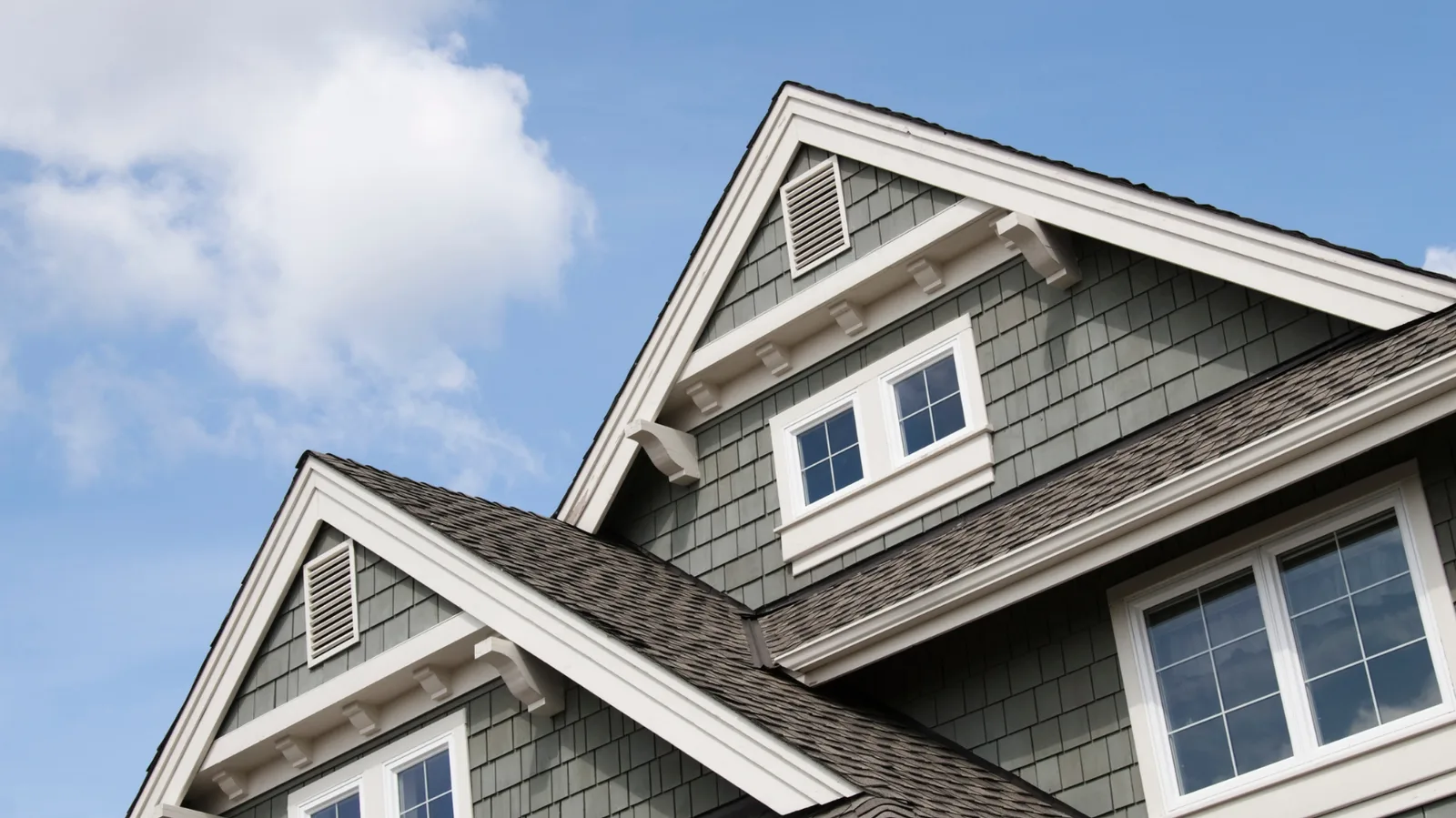
House gables with white trim above a brown shingle roof

Request a free roof inspection

Tell us where the roof is and what you need.

Choose a shingle profile before choosing a color

Two shingle samples can be similar in color and quite different on the roof. Their shape, layered profile and shadow lines change how the covering looks across a full slope. The product’s rating and installation requirements answer separate performance questions.

A replacement choice therefore involves both appearance and the assembly. The roof’s slope, supporting layers, flashing and ventilation need to suit the selected material. A style name alone doesn’t describe that complete project.

Ten Mile Roofing can help you begin with a free inspection of the existing roof. The three asphalt profiles below give the material discussion a clearer starting point.

Three-tab, architectural and designer shingles

These illustrations show profile differences, not installed products or a performance ranking.

Three-tab shingles

A flatter, regularly spaced profile

A flat strip is cut to create three repeated tabs. The roof has a regular, even pattern with less layered shadow than a laminated profile. Suitability depends on the actual product, roof and installation requirements.

Architectural shingles

A layered profile with more depth

Laminated layers create a deeper, more varied profile. These shingles can give the roof a dimensional appearance while retaining an asphalt covering. The product’s published ratings and accessory requirements still need to be considered separately.

Designer shingles

A thicker, more sculpted appearance

Designer or luxury asphalt products use more pronounced shapes and textures, sometimes suggesting slate or shake. Profiles differ substantially, so a real sample and product specification are more useful than the category name alone.

Illustrations show broad shingle profiles; actual products vary.

Appearance and impact classification answer different questions

Choose the profile for the roof’s appearance and fit. Assess the particular product’s impact classification separately, as explained below.

See the layers that support the shingles

A new shingle covering relies on the layers and connections below and around it. The drawing explains their relationship; the actual assembly follows the roof and selected products.

Inside a shingle roofA house roof is opened along one edge to reveal wood decking, underlayment, edge flashing and overlapping shingles. Arrows show air entering at the eave and leaving near the ridge of a vented attic. Numbers match the explanations beside the illustration. 12345
A cutaway of a shingle roof over a vented attic. The open section reveals layers normally hidden beneath the shingles.

01Decking

The deck carries the covering and its fasteners. Unsound sections need correction so the new roofing has a suitable base.

02Underlayment and water protection

Protection beneath the shingles is selected for the slope, exposure and roofing details. Its laps and connections matter wherever water could reach below the covering.

03Roof edges and flashing

Drip edges, valleys, walls and penetrations need a connected drainage path. New shingles alone do not renew a failed flashing joint.

04Shingles and ridge details

The covering, starter, fastening and ridge treatment work as a specified system. Their installation follows the selected products and roof conditions.

05Ventilation

A vented attic needs an effective intake and exhaust path. Adding an exhaust opening without suitable intake doesn’t create a balanced arrangement.
Impact resistance is a rating, not a shingle style

Profile is not an impact rating

Three-tab, architectural and designer describe broad product styles. Impact resistance comes from the specific product’s testing and classification. A dimensional appearance doesn’t establish an impact rating.

A rating is not a damage guarantee

A tested impact classification describes performance under the test conditions. It doesn’t mean a roof cannot be damaged or that insurance will automatically discount the policy.

The covering works with its accessories

Starter, ridge material, fastening and flashing details belong with the selected shingle system. A rated shingle alone doesn’t establish the performance of every part of the finished roof.

Choosing shingles for your Lancaster home

Option 1

Color across a whole slope

A small sample can look different in full daylight and across a large roof. Consider the siding, brick and trim together with the roof’s shape and exposure.

Option 2

A match for existing material

Repairs may involve a product that has changed or weathered. An exact visual match is not always possible even when the replacement material is suitable.

Option 3

A change on a designated property

Some addresses have exterior review requirements that affect roof appearance and materials. Confirm those requirements before treating a color or profile as the final selection.

Lancaster roofing shingle questions

Are architectural shingles always impact resistant?

No. The style describes a laminated profile. Impact resistance depends on the particular product and its tested classification.

Are designer shingles made from slate?

The designer products discussed here are asphalt shingles with distinctive profiles. Some evoke the appearance of slate or shake; that doesn’t make them those materials.

Does a higher rating guarantee an insurance discount?

No. Any discount depends on the insurer, policy and documentation requirements. The product classification should not be presented as an automatic premium reduction.

Can I use these styles on any roof slope?

No. The selected product has slope and installation requirements. A low-slope addition may need a different roofing system.

See flat roof repair for the low-slope system question.

Talk through the shingle options for your home

Start with the roof, then choose the shingle that suits the project. Request a free inspection to discuss the condition, profile and complete replacement scope.

Call (972) 218-8600

Your free roof inspection

Start with the location and the roofing help you need.

Call (972) 218-8600Request roofing help