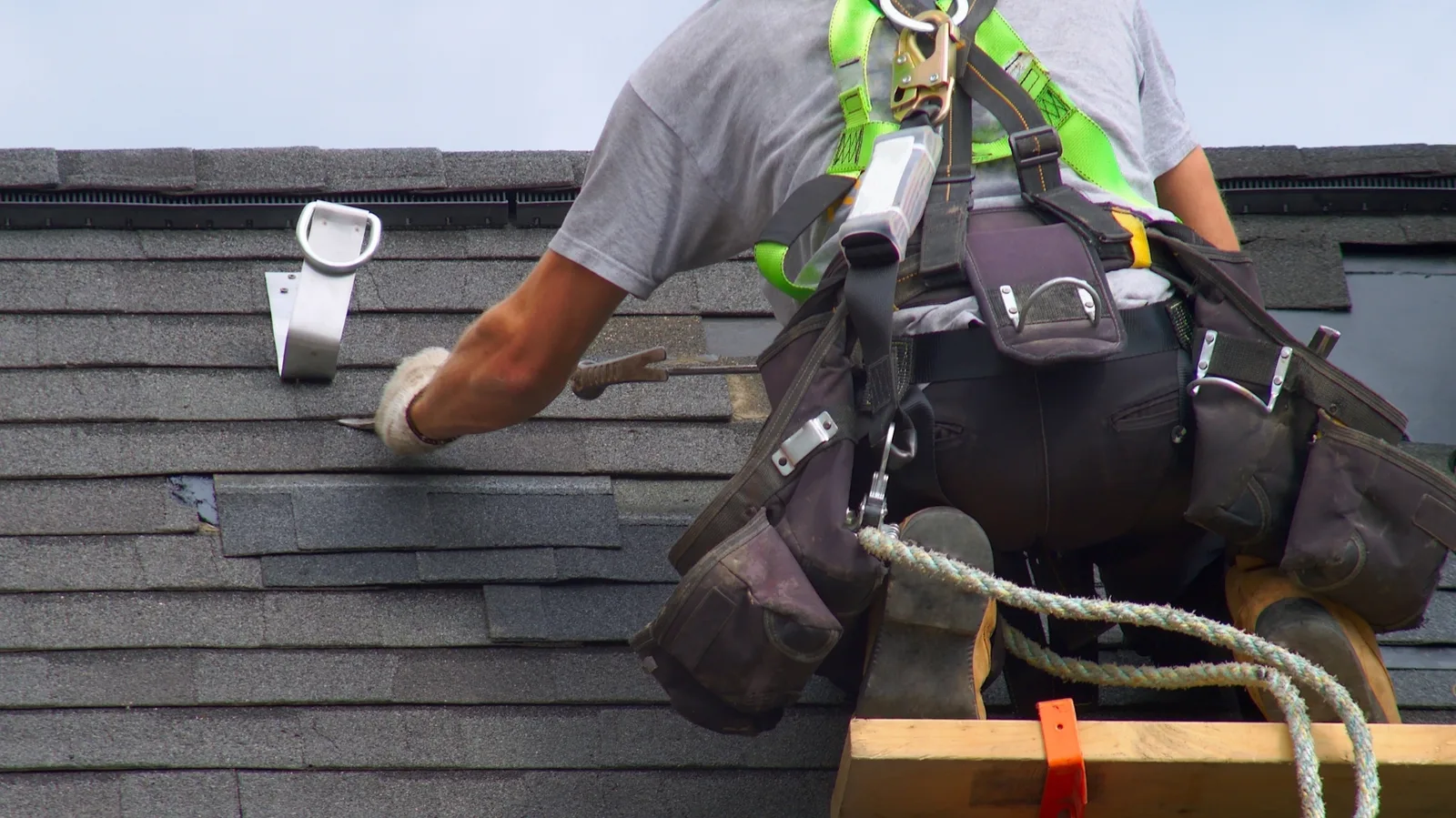
A roof proposal should let you picture the work before agreeing to it. Here is how to read the measurement, materials and changes that can sit behind the total.
Start with the roof the proposal measures
The proposal needs to identify the roof surface being worked on and whether the existing covering will be removed. Those are physical parts of the job, not details a shingle brand can stand in for. An unresolved removal allowance leaves the starting scope unclear.
The measurement also matters. A home’s listed living area is not its roof surface: a second story adds floor area without doubling the roof, while garages and covered porches can add roof area outside the living-space figure. The proposal should be based on the actual roof being worked on.
For a Lancaster property with historic designation, the approved exterior scope may also affect material and detail choices. That address-specific requirement belongs in the project definition before a final roof selection is treated as settled.
Read past the shingle name
“Architectural shingles” identifies a type of covering, not everything required to build the roof. Underlayment, flashing, roof-edge metal, starter and ridge details, and ventilation where applicable all contribute to the assembly. Those elements explain part of the work behind the material name.
A new roof may involve renewing details that have already been patched or replacing flashing that cannot be reused effectively. The proposal should make those decisions visible. Otherwise, the headline material can appear to describe a complete job while leaving the connections unclear.
The roofing shingles guide separates three-tab, architectural and designer profiles from impact ratings, which answer a different product question.
Make room for concealed decking work
The old covering can hide the condition of the decking below it. An inspection can identify visible signs of trouble, but tear-off may reveal damaged boards or panels that could not be fully assessed beforehand. That is a real limit of viewing a covered roof.
A useful scope explains how that additional work will be identified and handled. It should distinguish the work already included from a condition that needs a separate decision once it is exposed. The owner should not be left wondering what an undefined “decking extra” could cover.
The key is an agreed method for documenting, pricing and approving newly exposed damage. That turns a concealed condition into a clear additional decision and gives the new covering a suitable base.
Include the work around your home
Delivery, removal and cleanup are part of the roofing job. Driveway access, space for material handling and the use of entrances can affect how the work is arranged around your home. Those practical items should sit beside the roofing specification.
Warranties also need their actual written terms. A material warranty and a workmanship warranty come from the parties offering them and may cover different things. A general mention of a warranty doesn’t establish a term, a remedy or coverage for every part of the project.
For an early budget, the Lancaster roof cost guide provides regional planning ranges and explains their limits. A property-specific proposal still depends on the measured roof and the agreed work.